
Loading your progress…
Non-blood specimens: the instruction is part of the specimen.
Use the order, approved patient instructions, correct container, and test-specific handling requirements to protect non-blood specimens.
Different specimen, same patient-safety logic
Urine, stool, sputum, swabs, breath samples, body fluids, and other non-blood specimens do not share one collection recipe. What they share is a need for correct patient identification, understandable preparation instructions, the right collection device or container, traceable labeling, and the required handling route. The test directory and collection-kit instructions, not a generic list online, define the procedure.
Build the collection around the specific order
- Clarify the requested test and specimen. Confirm what was ordered, who is authorized to collect it, and whether the patient needs preparation or an instruction sheet. Similar-sounding specimens can have different collection, preservative, timing, or transport requirements.
- Give patient-centered instructions through the approved resource. Use clear language, verify understanding, protect dignity and privacy, and supply only the facility-approved instruction for that collection. Do not improvise procedural details for a specimen type you have not been trained to instruct or collect.
- Keep the container and identity together. The correct container, source information where required, collection time, and patient identity support the laboratory’s ability to accept and interpret the specimen. Follow the organization’s labeling and handoff process.
- Protect the required environment. Time, temperature, light, preservation, leak resistance, and routing can all matter. Verify the specific requirement before storage or transport rather than treating every specimen as routine.
- Escalate a mismatch before it becomes a recollection. If the wrong container arrives, instructions are missing, the specimen source is unclear, or handling may have deviated, preserve the facts and contact the laboratory or supervisor through the approved path.
At fictional Cedar Lane Clinic, a patient returns a specimen in a container that has no collection time and does not match the instruction sheet. The SOP directs staff to keep the specimen and paperwork together, document what is known, and contact the laboratory. The safe response is not to guess the time or transfer the specimen into a different container.
Retrieval practice
Prompt: What should control a non-blood specimen’s collection and transport instructions?
Answer: The requested test’s current laboratory directory, the approved collection instructions, and the applicable manufacturer information—not a generic procedure remembered from a different specimen.
Source boundary: the ASCP BOC PBT Examination Content Guideline identifies non-blood patient instruction, collection, processing, handling, transport, and storage as distinct topics. This overview does not replace specimen-specific procedures, patient instructions, or laboratory acceptance criteria.
Observe, then explain
Look closer.
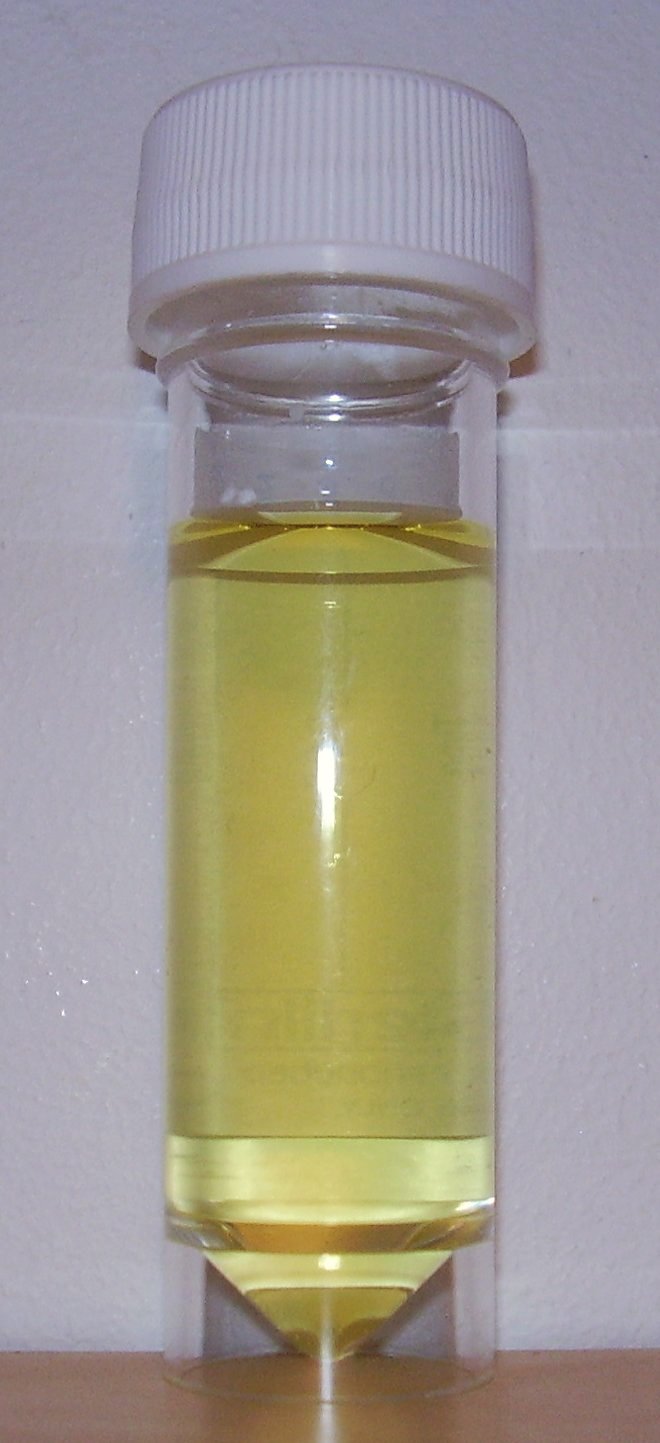
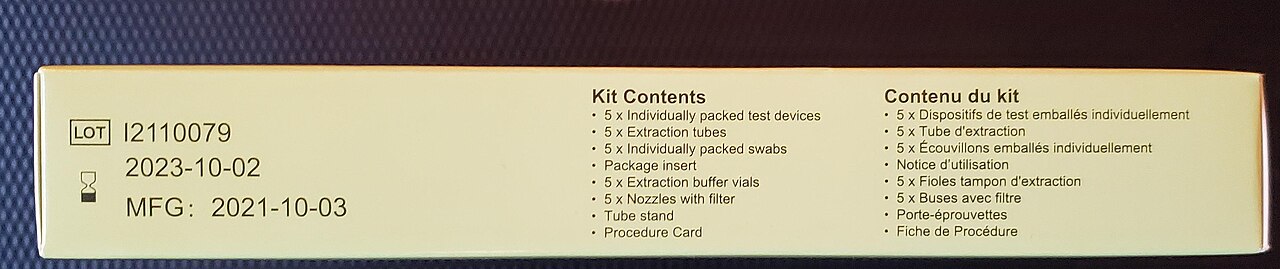
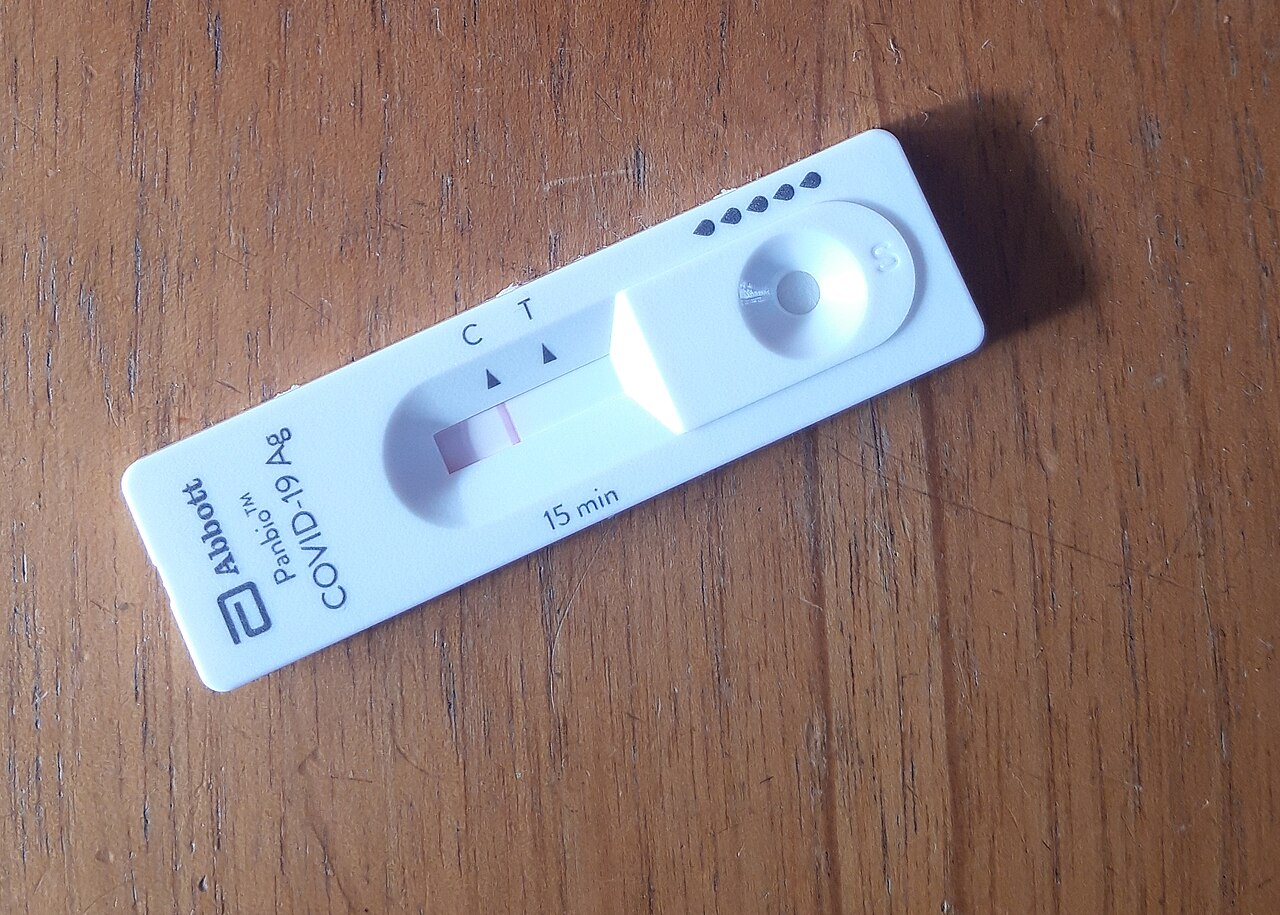
Compare a urine container with a swab-based test kit. Each specimen and test needs its own preparation and handling instructions.
Photograph 1 of 3
Appearance is only one observation
An unlabeled photographed urine sample. Color does not establish collection method, identity, infection, timing, preservative, or acceptability.
Photo: Markhamilton at English Wikipedia. Source · Public domain.
Photograph 2 of 3
Lot, expiry, and kit contents
This photographed kit label is expired and historical. Identify lot, expiry, and component information, then use the current approved kit instructions. A package photo does not establish U.S. waived status.
Photograph 3 of 3
A lateral-flow test cassette
The cassette has a sample well and control/test markings. A still image cannot establish collection quality, valid reading time, or a patient result. Use the applicable current instructions and reporting process.
Can the urine container's collection or transport instructions determine how you use the swab kit?
No. Confirm the particular ordered test, specimen type, collection method, approved container or device, label, timing, and transport conditions. Urine and swab workflows require separate instructions.
Real photographs, source and depiction checked 2026-10-13. Images display in full without cropping. A photo can support observation; use the current procedure and device instructions for clinical work.
Deliberate practice
Learn it, then use it.
These are original study prompts, not recalled certification questions. Answer before opening the rationale.
By the end, you can
- Use the exact test requirement to guide patient instruction, container, identity, and handling for a non-blood specimen.
- Recognize that non-blood specimens do not share one generic collection procedure.
- Escalate a source, timing, container, or handling mismatch without guessing missing facts.
Decision point
A returned specimen does not match its instruction sheet and has no collection time. What should you do?
Reveal the best next step and why
Best next step: Keep the specimen and documentation together, record the known facts, and contact the laboratory or supervisor through the approved process.
Why: A guessed time or container transfer can remove the information needed to decide whether the test remains acceptable. Test-specific laboratory policy controls the next step.
Retrieval practice
1.What controls a non-blood specimen's handling instructions?
The current test directory, approved patient instructions, and applicable collection-system instructions.
2.Why is source information important?
It helps establish that the specimen and requested test match and supports laboratory acceptance decisions.
Finished reading?
Next: Return to study plan
Ready to test yourself?
Practice bank · Simulator · Flashcards
Practice with explanations, then return to the topic you need.