Loading your progress…
Laboratory quality systems: make the process visible.
Understand how controlled procedures, factual documentation, quality assurance, improvement, competency, and escalation protect laboratory testing.
Quality is a system, not a last inspection
Laboratory quality work makes testing accurate, reliable, and timely by defining a process, checking whether it works, recording what happened, and improving it when it does not. A phlebotomist supports that system through careful identification, equipment and supply checks within assigned duties, documentation, communication, and reporting of specimen or workflow concerns.
Four habits that strengthen quality
- Follow the current controlled procedure. A policy, test directory, device instruction, or competency process tells you how the organization has validated a task. Do not replace it with an old shortcut, a memory aid, or a procedure from another employer.
- Document facts, not conclusions. Collection time, equipment or supply issue, observed deviation, notification, and corrective action can be reviewed later. Clear facts help the right person decide whether patient testing, recollection, maintenance, or retraining is needed.
- Separate quality assurance from quality improvement. Quality assurance checks that required controls and processes are working. Quality improvement uses patterns—such as recurring specimen problems or delays—to change a process and measure whether it improves. Both need reliable data.
- Use competency and escalation pathways. Training, authorization, competency assessment, maintenance, and proficiency processes define who can perform what. If the task, result, device status, or response is outside your role, stop and use the laboratory’s escalation route.
At fictional Cedar Lane Clinic, the laboratory notices a recurring pattern of delayed specimen arrival from one collection area. The useful first report records dates, times, route, and observed barriers—not a guess about which person is at fault. The quality team can then review the workflow, test a change, and measure whether turnaround improves.
Retrieval practice
Prompt: Why does a near miss matter if no patient result was released?
Answer: A near miss can reveal a weak control before it becomes a patient-safety event. Documenting and escalating it provides information the organization can use to improve the process.
Source boundary: CMS CLIA describes U.S. laboratory-testing quality standards, and the ASCP PBT guideline includes QA/QI, competency, regulation, ethics, and safety. Follow the local quality-management and reporting program.
Observe, then explain
Look closer.
Look for the records behind each scene: inventory checks, equipment readiness, and lot or expiry verification.
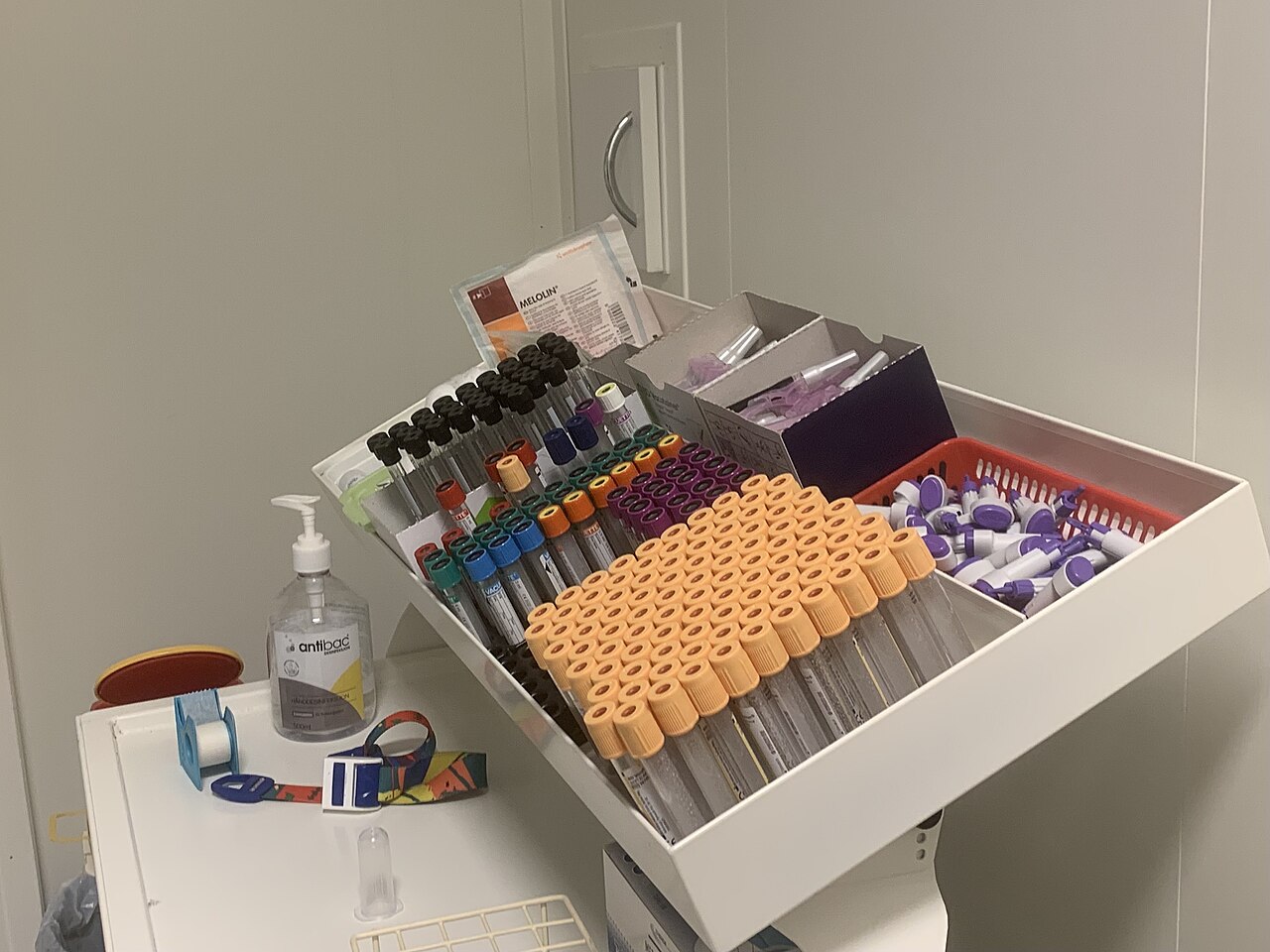
Photograph 1 of 3
Supplies before collection
A real clinic supply area in Norway. Recognize the equipment, then verify the local container, storage, cleaning, and collection requirements.
Photo: Marius Vassnes. Source · CC BY-SA 4.0.
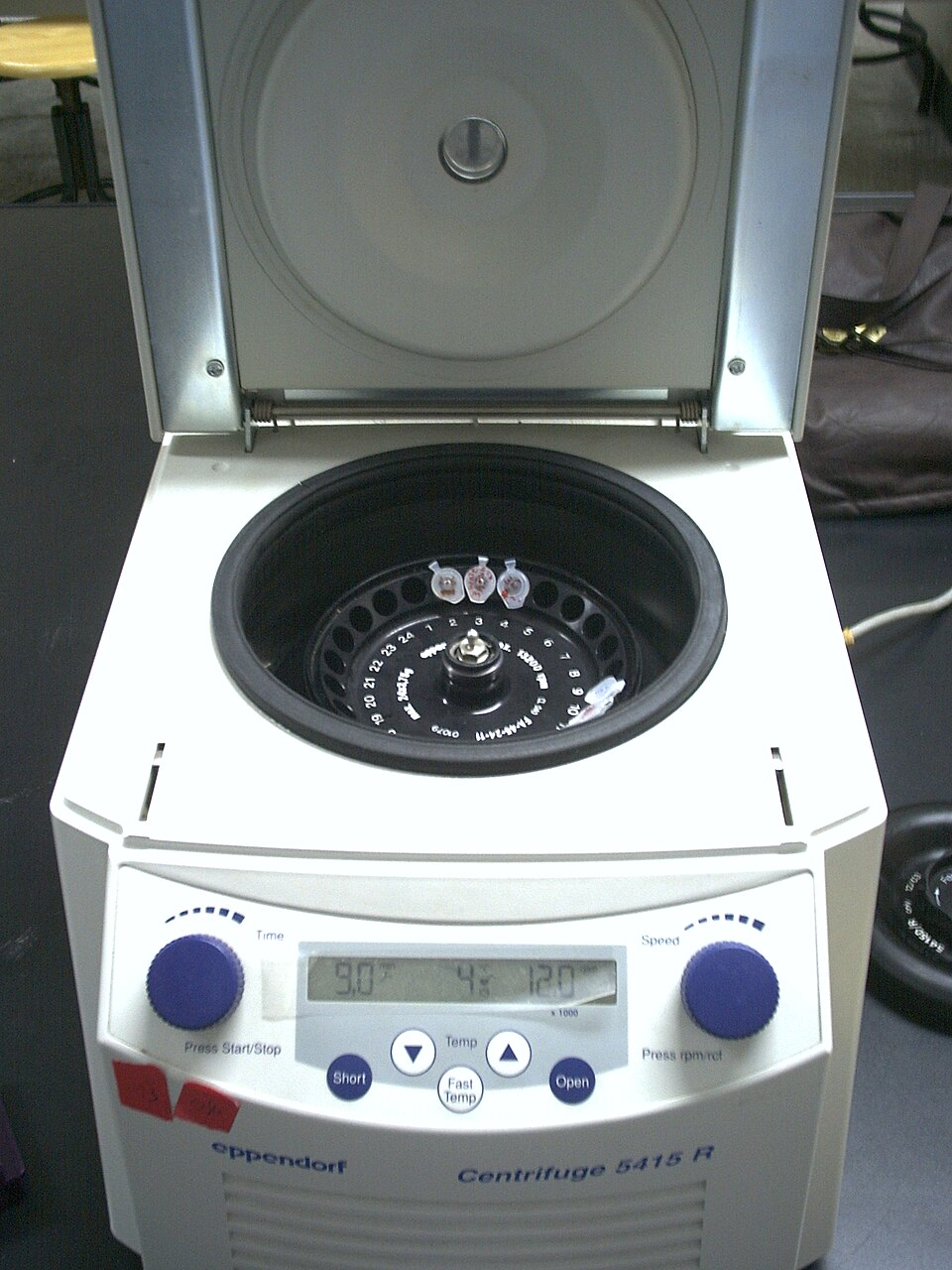
Photograph 2 of 3
The rotor and the program both matter
A research microcentrifuge, not a prescribed clinical blood-processing setup. The visible uneven tube arrangement and display must not be copied as a balanced load or validated program.
Photo: GOKLuLe. Source · CC BY-SA 3.0.
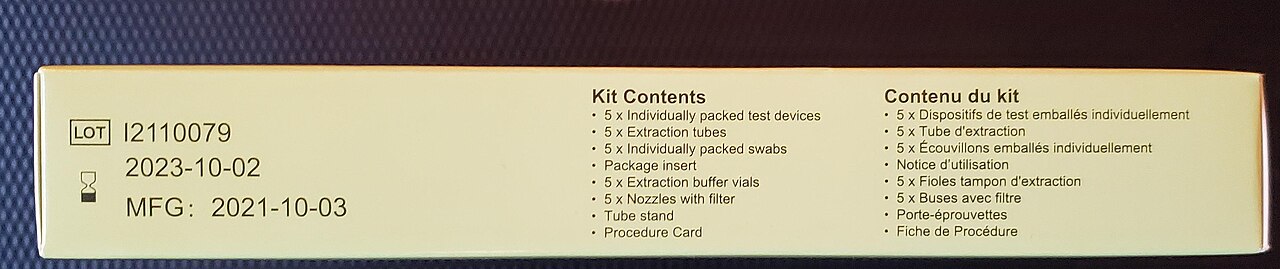
Photograph 3 of 3
Lot, expiry, and kit contents
This photographed kit label is expired and historical. Identify lot, expiry, and component information, then use the current approved kit instructions. A package photo does not establish U.S. waived status.
Which records would help a quality team investigate a problem across these scenes?
Relevant records may include supply lots and expiry checks, instrument maintenance and validated programs, collection and processing times, specimen identity, and documented deviations. Choose records that test the suspected failure rather than judging quality from a tidy photograph.
Real photographs, source and depiction checked 2026-10-13. Images display in full without cropping. A photo can support observation; use the current procedure and device instructions for clinical work.
Deliberate practice
Learn it, then use it.
These are original study prompts, not recalled certification questions. Answer before opening the rationale.
By the end, you can
- Distinguish a controlled procedure, quality assurance, and quality improvement in laboratory work.
- Document observable facts that support follow-up and process improvement.
- Use competency and escalation boundaries when a task or quality concern is outside your role.
Decision point
You notice repeat transport delays from one collection area but do not know the cause. What is the most useful first report?
Reveal the best next step and why
Best next step: Document the observed dates, times, route, and barriers through the local quality process rather than assigning blame or guessing a cause.
Why: Quality improvement starts with usable facts. A pattern can then be investigated, a process change tested, and the effect measured.
Retrieval practice
1.What is the goal of quality improvement?
To use information about a process to make a measured change that improves performance or safety.
2.What should you do when a quality concern is outside your authorization?
Stop guessing and use the laboratory's escalation or reporting pathway.
Finished reading?
Next: Point-of-care testing quality